Structural & Non- Structural Repairing and Strengthening

  • Home
  • Structural & Non- Structural Repairing and Strengthening

PrimeFrame Engineering & Infratech Private Limited offers repair and restoration services to strengthen your damaged structural and non-structural masonary and concrete.

PrimeFrame Engineering & Infratech Private Limited provides a wide range of repair and rehabilitation solutions for concrete structures.  We work closely with customers to identify the location, extent and nature of existing deficiencies, and review performance objectives for the service life of the asset. Our engineers then review various repair and retrofit solutions to restore structural and durability performance of the asset.

Crack Stitching in Masonary Walls

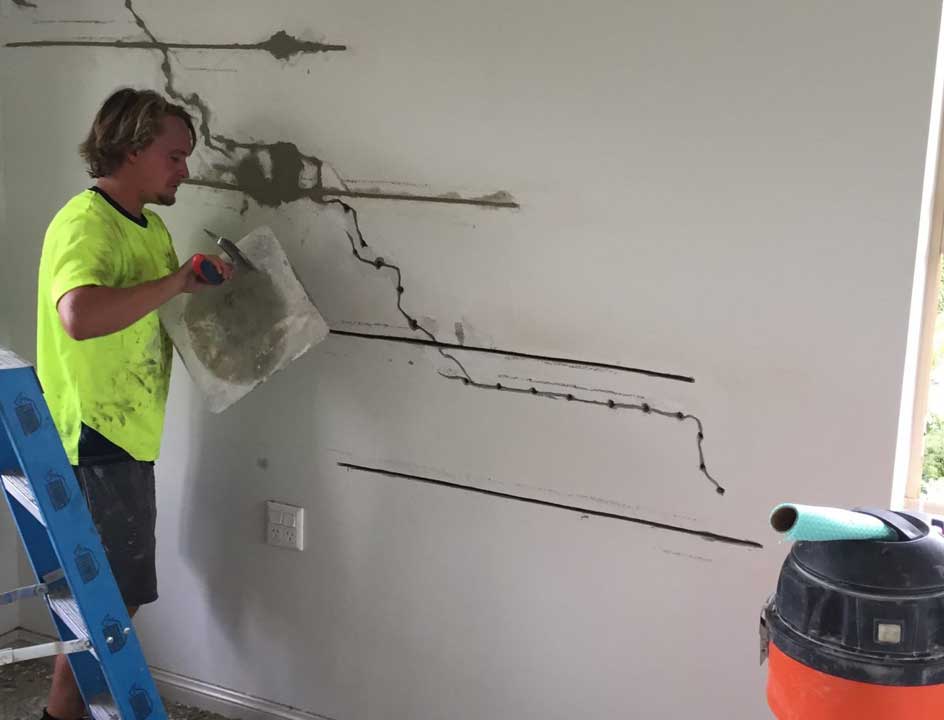
Crack stitching in brick masonry walls is a technique used to repair and reinforce cracked or damaged brickwork. It involves the insertion of specialized materials (usually metal bars or rods) into the mortar joints or directly into the bricks to bond and stabilize the cracked area. This process helps prevent further movement or separation of the bricks and restores the structural integrity of the wall.

Crack Sealing in Concrete

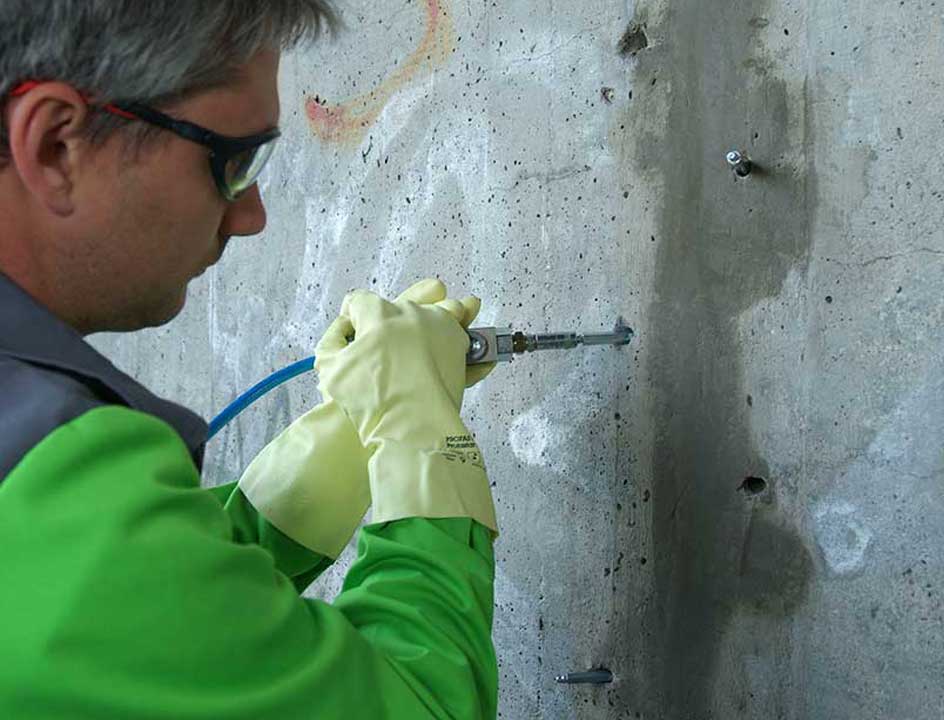
Crack sealing in concrete by grouting is a repair technique used to address cracks in concrete structures, whether they are in buildings, bridges, roads, or other concrete elements. This process involves filling and sealing the cracks with a specialized grout material to prevent further ingress of moisture, chemicals, or debris and to restore the structural integrity of the concrete.

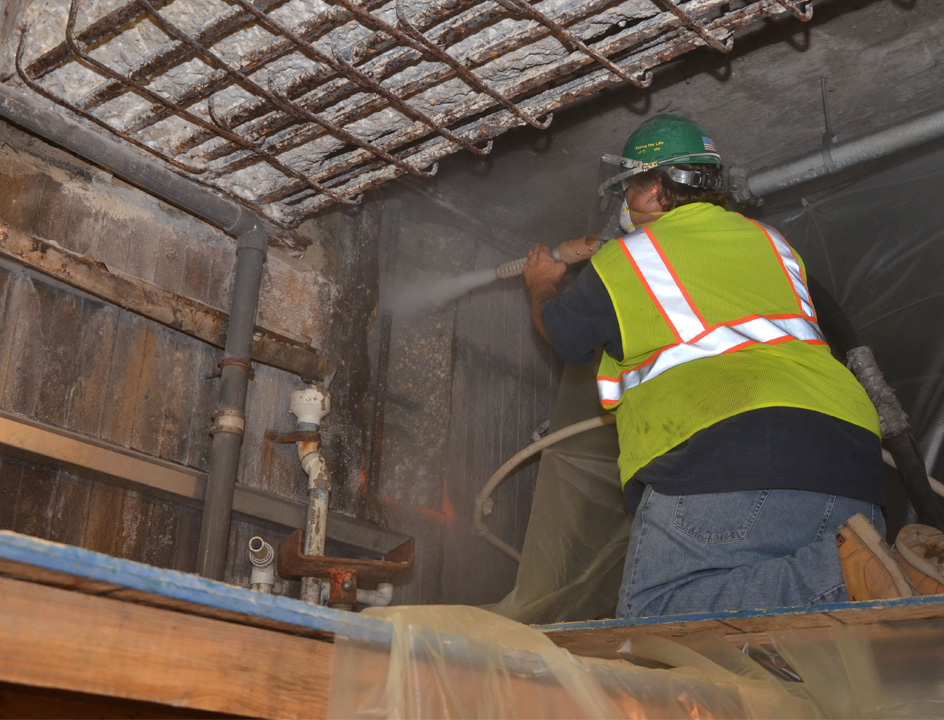
Repairing Honeycombed Concrete

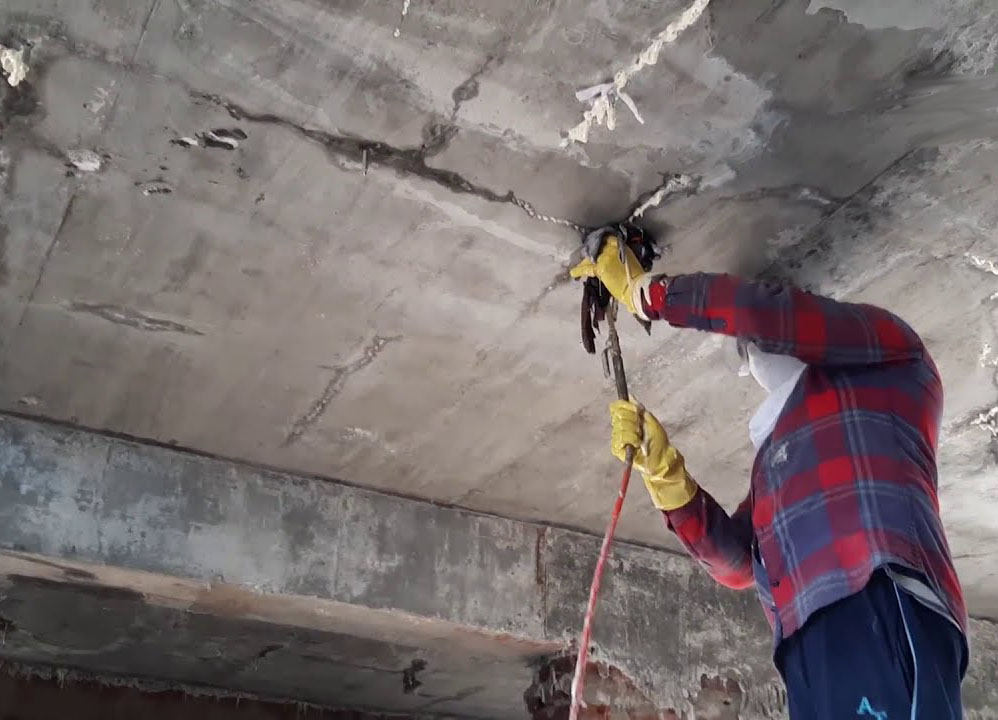
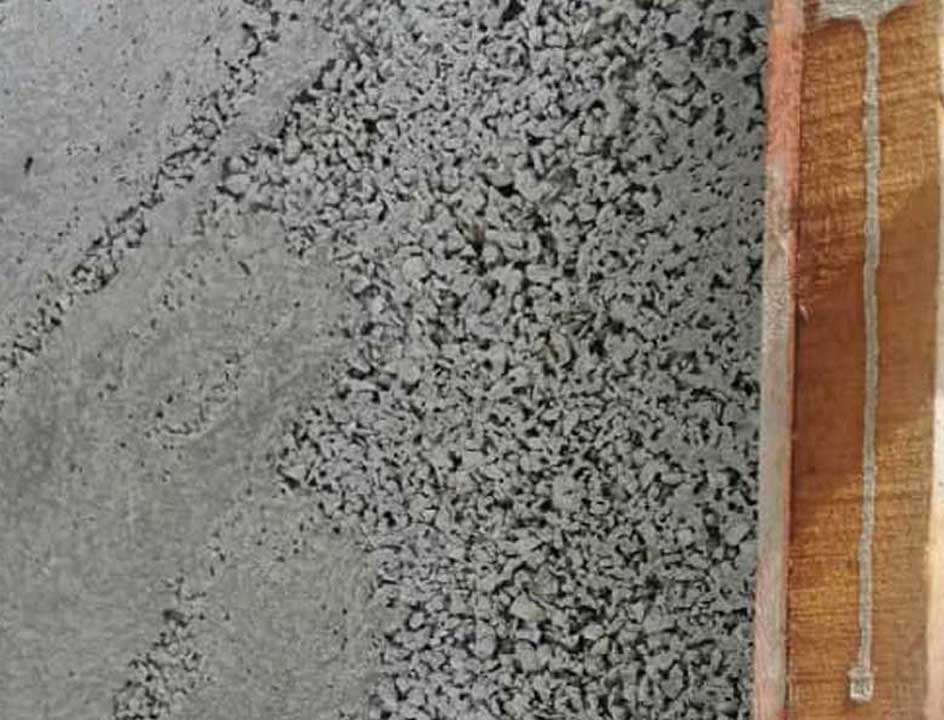
Repairing honeycombed concrete is essential to ensure the structural integrity and aesthetics of concrete structures. Honeycombing refers to voids or gaps in the concrete caused by incomplete compaction during the pouring and curing process. These voids can weaken the concrete and make it more susceptible to water infiltration and deterioration over time.

Column Strengthening

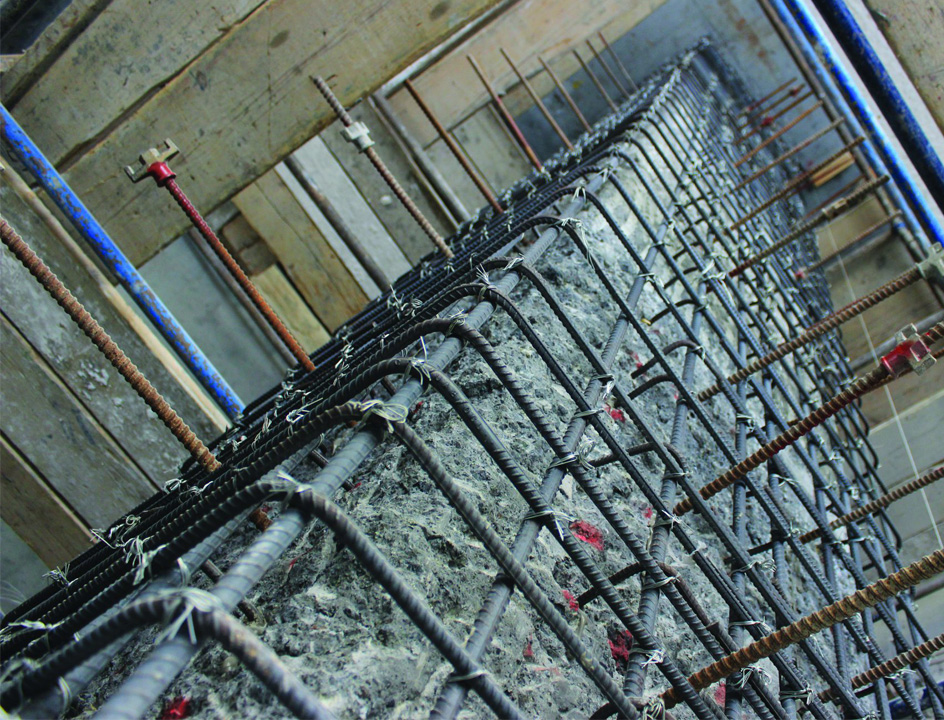
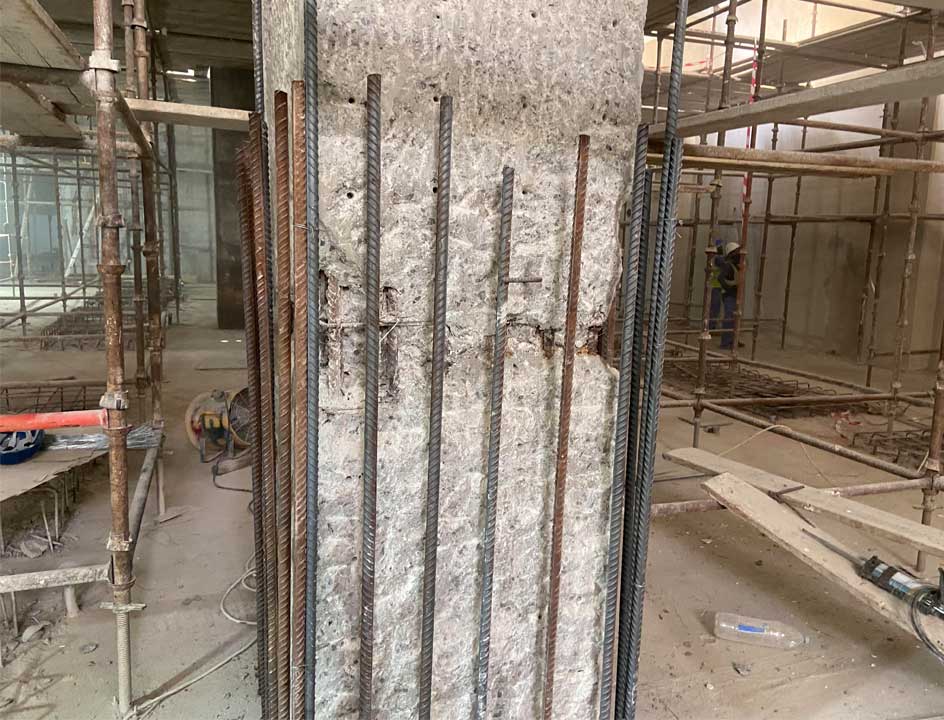
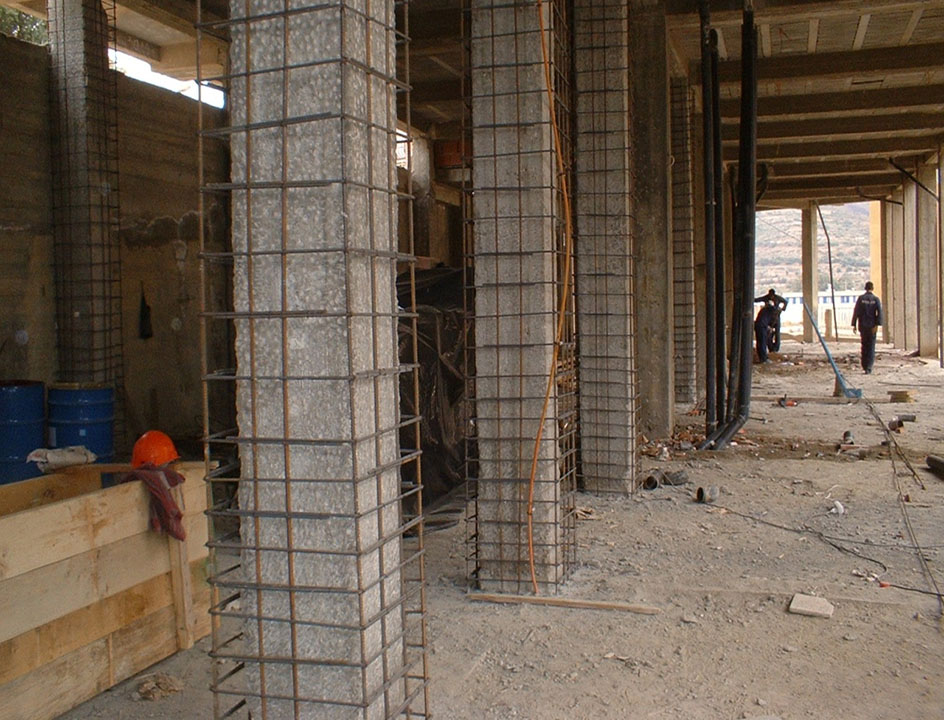
Strengthening columns by micro concrete jacketing is a technique used to enhance the load-carrying capacity and durability of existing reinforced concrete columns. Micro concrete, is a high-strength, cementitious material that is used to encase and reinforce the existing column. This process is commonly used in building retrofitting or when the original columns are found to be inadequate for the intended loads.

Beam Strengthening by CFRP Laminates

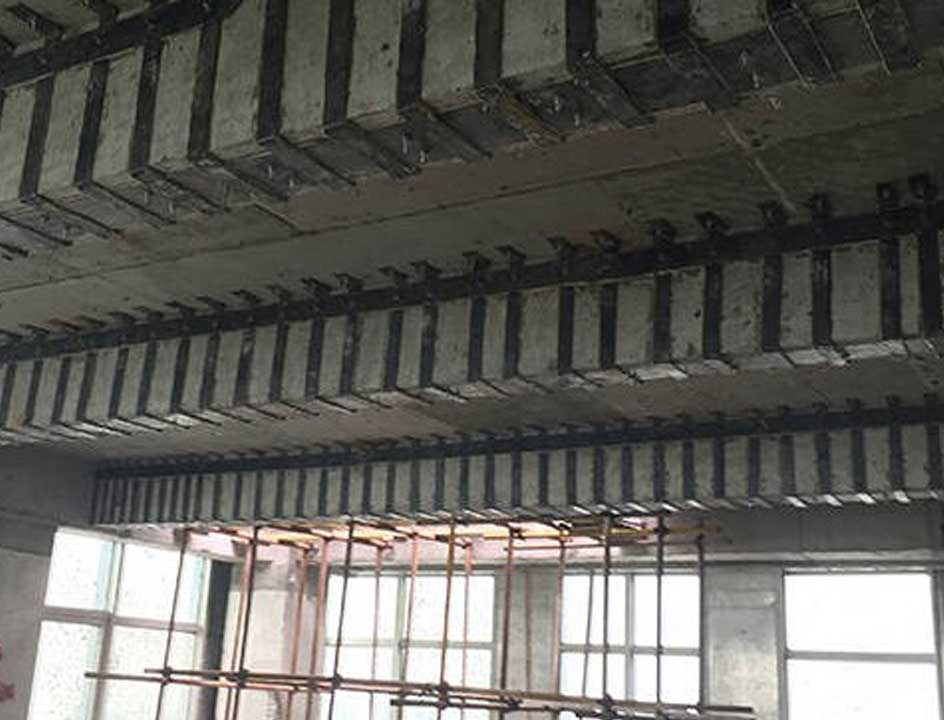
Strengthening Reinforced Concrete (RC) beams using carbon fiber-reinforced polymer (CFRP) laminates is a widely used technique in structural engineering. This method involves externally bonding or wrapping carbon fiber sheets or laminates to existing RC beams to enhance their load-carrying capacity, flexural strength, and durability.

Strengthening RC beams with CFRP laminates is a highly effective and non-intrusive method to extend the life and improve the performance of existing concrete structures.

Beam Strengthening by Steel plate

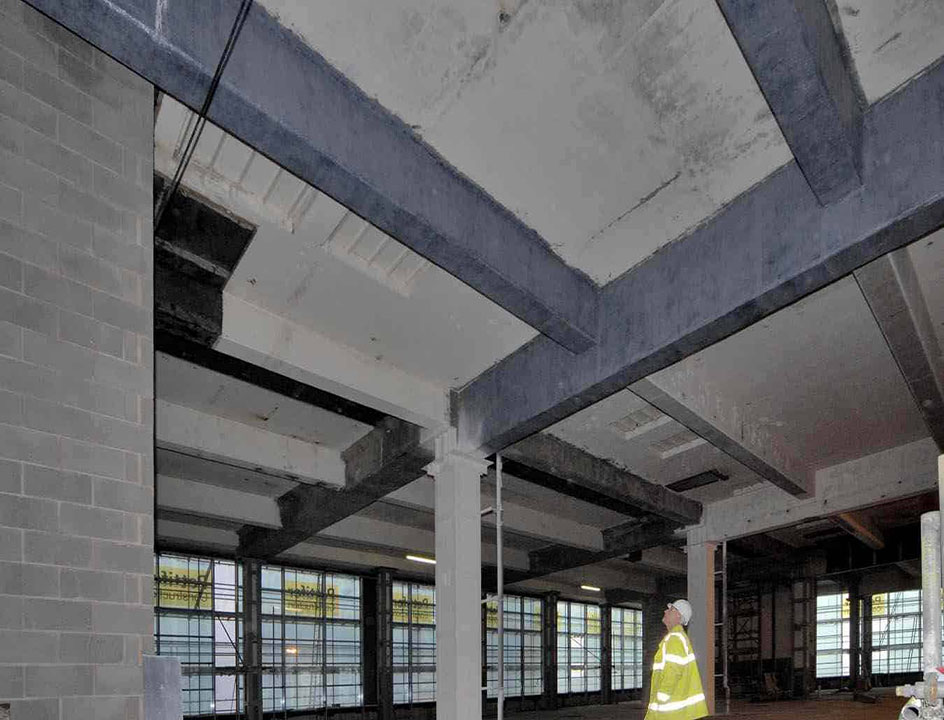
Strengthening an RC beam with steel plates is a proven method to enhance the structural integrity and load-bearing capacity of existing concrete structures. Strengthening a reinforced concrete (RC) beam using steel plates, also known as steel plate bonding or steel plate retrofitting, is a technique that involves adding steel plates or steel angle sections to an existing RC beam to enhance its load-carrying capacity and flexural strength. This method is commonly used in structural engineering to address issues such as increased loads or structural deficiencies.

Concrete Surface Damage (Delamination) Repair

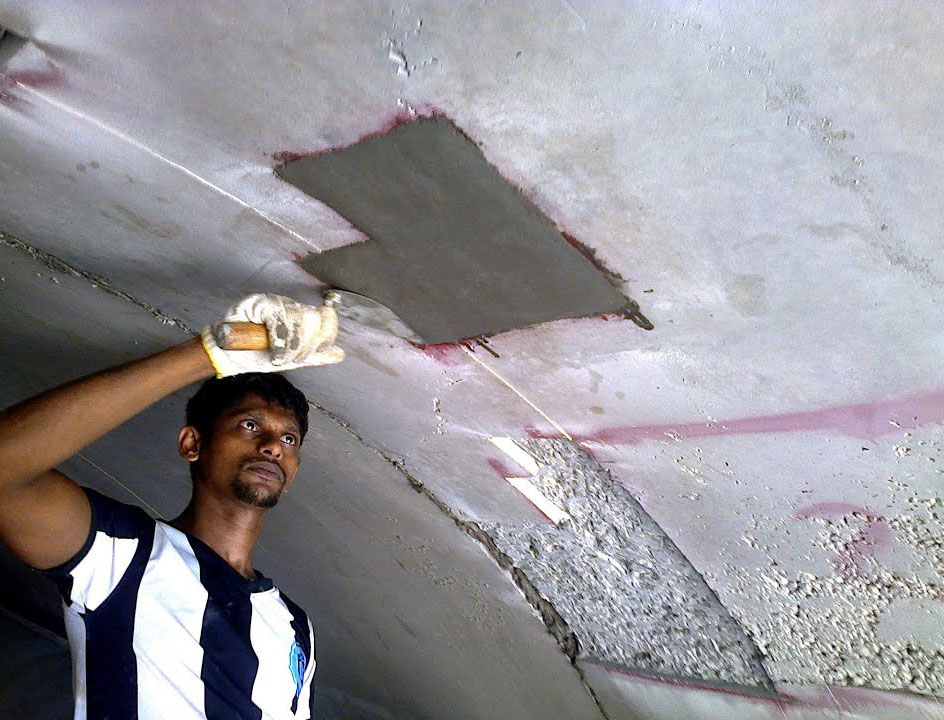
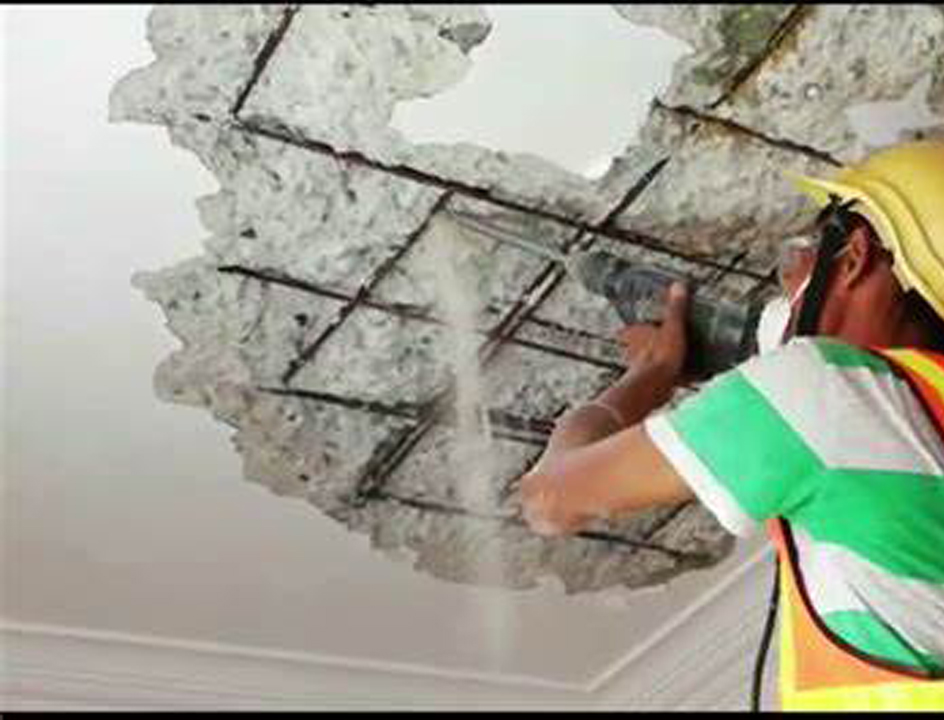
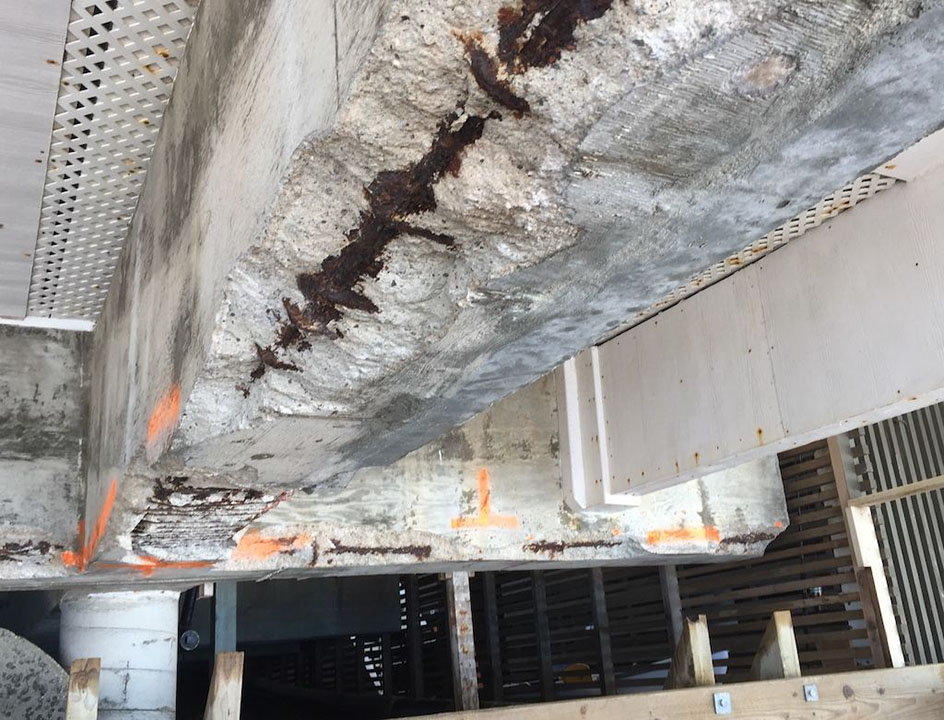
Concrete delamination refers to the separation or detachment of a thin layer of concrete from the surface of a larger concrete structure. Repairing delaminated concrete is essential to restore structural integrity and prevent further deterioration.