Non- Destructive Testing Services

  • Home
  • Non- Destructive Testing Services

Non-Destructive testing for concrete:

Non-destructive testing (NDT) methods for detecting defects in concrete are crucial for assessing the structural integrity of concrete structures without causing any damage. We offer a wide range of NDT solutions to properly identify and quantify surface and sub-surface defects:
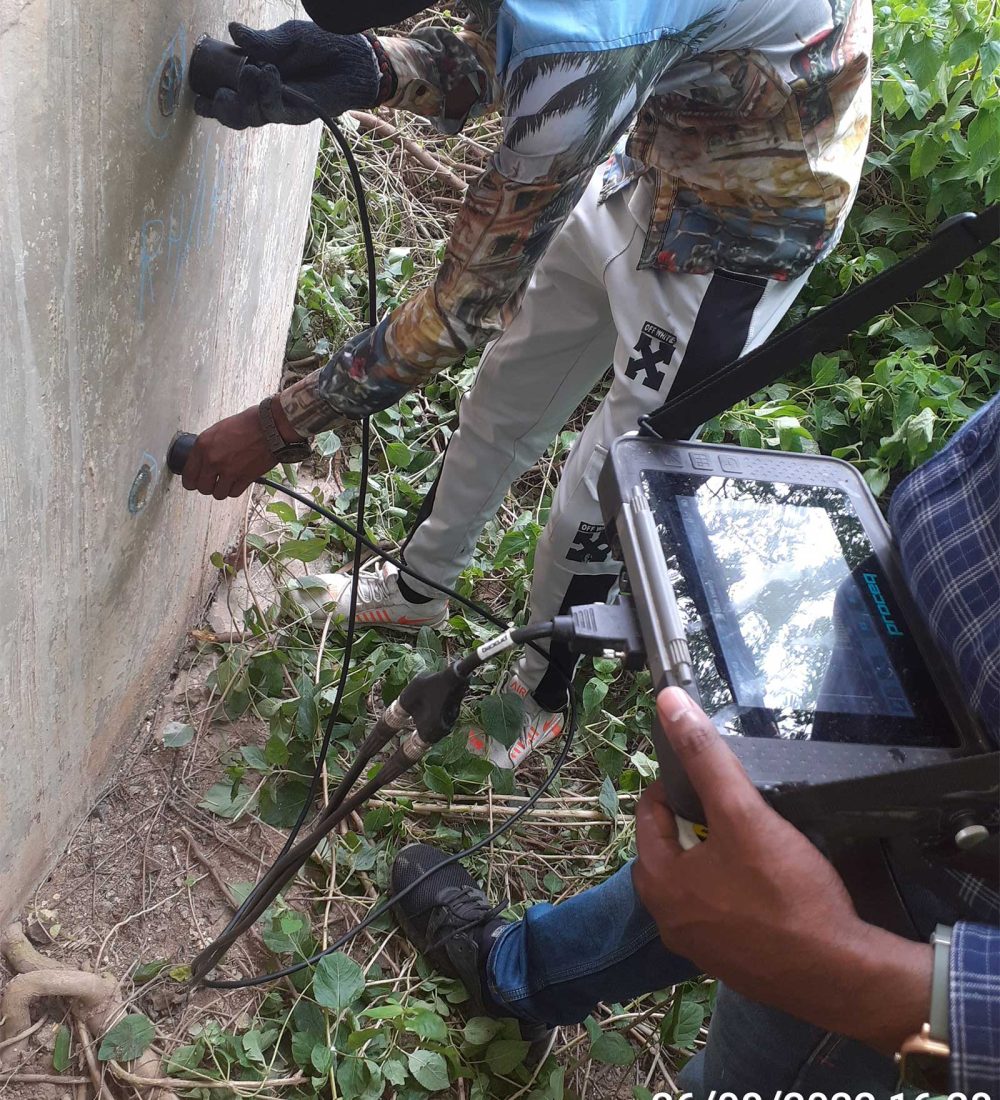
Testing_UPV

01. Ultrasonic Pulse Velocity (UPV) Test:

The UPV test is a valuable tool for assessing the quality and integrity of concrete structures during construction, maintenance, and structural assessment. It can help detect hidden defects, evaluate concrete strength, and aid in quality control and assurance efforts. Concrete quality can be assessed using the Ultrasonic Pulse Velocity (UPV) test, which is a non destructive testing method. The UPV test measures the speed of sound waves as they travel through a concrete specimen. By analyzing the time it takes for sound waves to propagate, it's possible to evaluate the quality, integrity, and potential defects in concrete structures.

Advantages of UPV Testing:

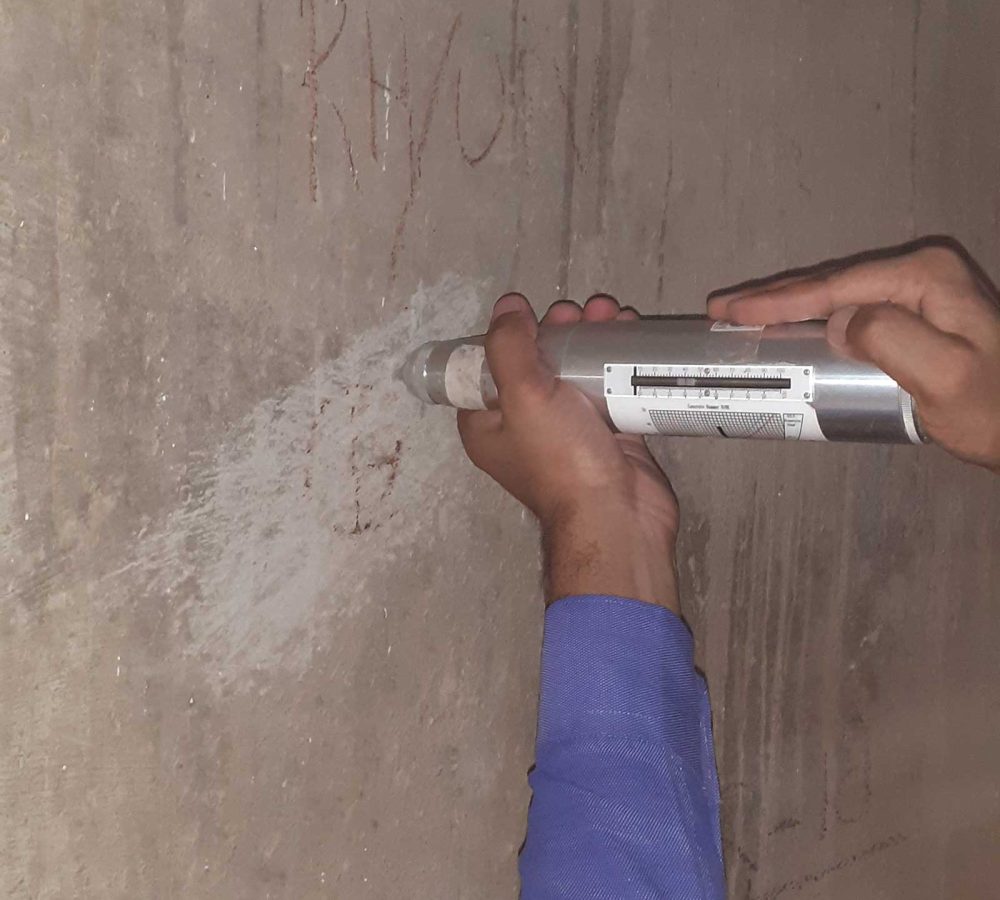
02. Rebound Hammer Test

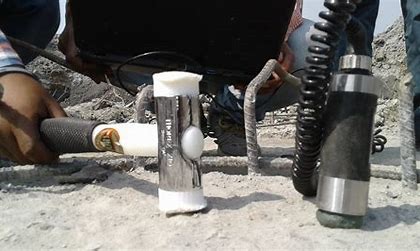
The rebound hammer test, also known as the Schmidt hammer test, is a non destructive testing method used to assess the compressive strength of concrete by measuring the rebound of a hammer striking the concrete surface. This test provides a quick and straightforward way to estimate the concrete's strength, but it is generally less accurate than traditional destructive testing methods, such as compression tests of core samples.

Advantages of Rebound Hammer Test:

Testing_Rebound-Hammer

03. Half-cell Potential Test:

The half-cell potential test, also known as the corrosion potential or corrosion potential mapping test, is a non-destructive method used to assess the likelihood of corrosion in reinforced concrete (RC) structures. It helps identify areas of potential corrosion within the concrete by measuring the electrical potential of the reinforcing steel relative to a reference electrode.

Advantages of Half-Cell Potential Test:

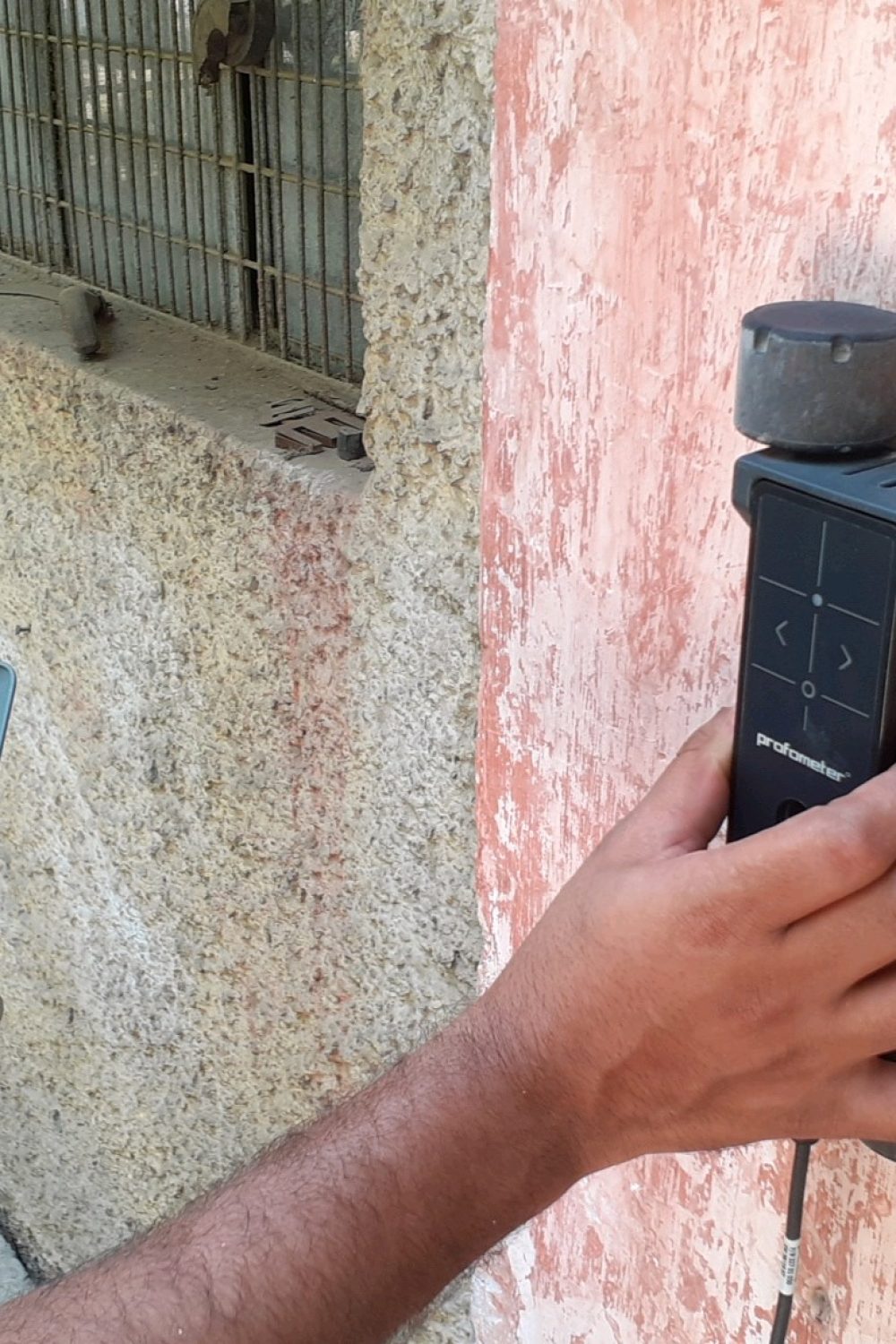
04. Concrete Ferro scanning for Rebar mapping

Concrete ferro-scanning, also known as rebar mapping or reinforcement scanning, is a non- destructive testing method used to locate and map the position of reinforcement bars (rebars) or other ferrous objects within a concrete structure. This technique is commonly used in construction, inspection, and structural assessment to ensure the accurate placement and
condition of reinforcement.

Advantages of Concrete Ferro-Scanning for Rebar Mapping:

Limitations:

Testing_Ferroscanning

05. Impact-Echo Testing

Impact Echo testing is a non-destructive testing (NDT) method used to assess the condition of concrete structures, particularly to detect delaminations, voids, and other defects within the concrete. This technique relies on the principle of stress wave propagation and reflection within the concrete to identify areas of concern.

Advantages of Impact-Echo Testing:

06. Concrete Surface Resistivity Test:

Concrete surface resistivity testing is a non-destructive test method used to assess the electrical resistivity or conductivity of the surface layer of concrete. This test provides valuable information about the quality, durability, and potential corrosion risk of the concrete.

Advantages of Concrete Surface Resistivity Testing:

Testing_Resistivity

Non-destructive testing (NDT) for metal components

Non-destructive testing (NDT) methods for inspecting metal components are crucial for assessing the integrity and quality of metal structures without causing any damage. These methods are widely used in various industries, including aerospace, automotive, construction, and manufacturing.

01. Ultrasonic Testing (UT)

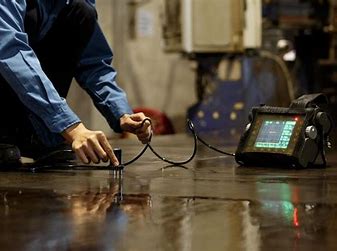
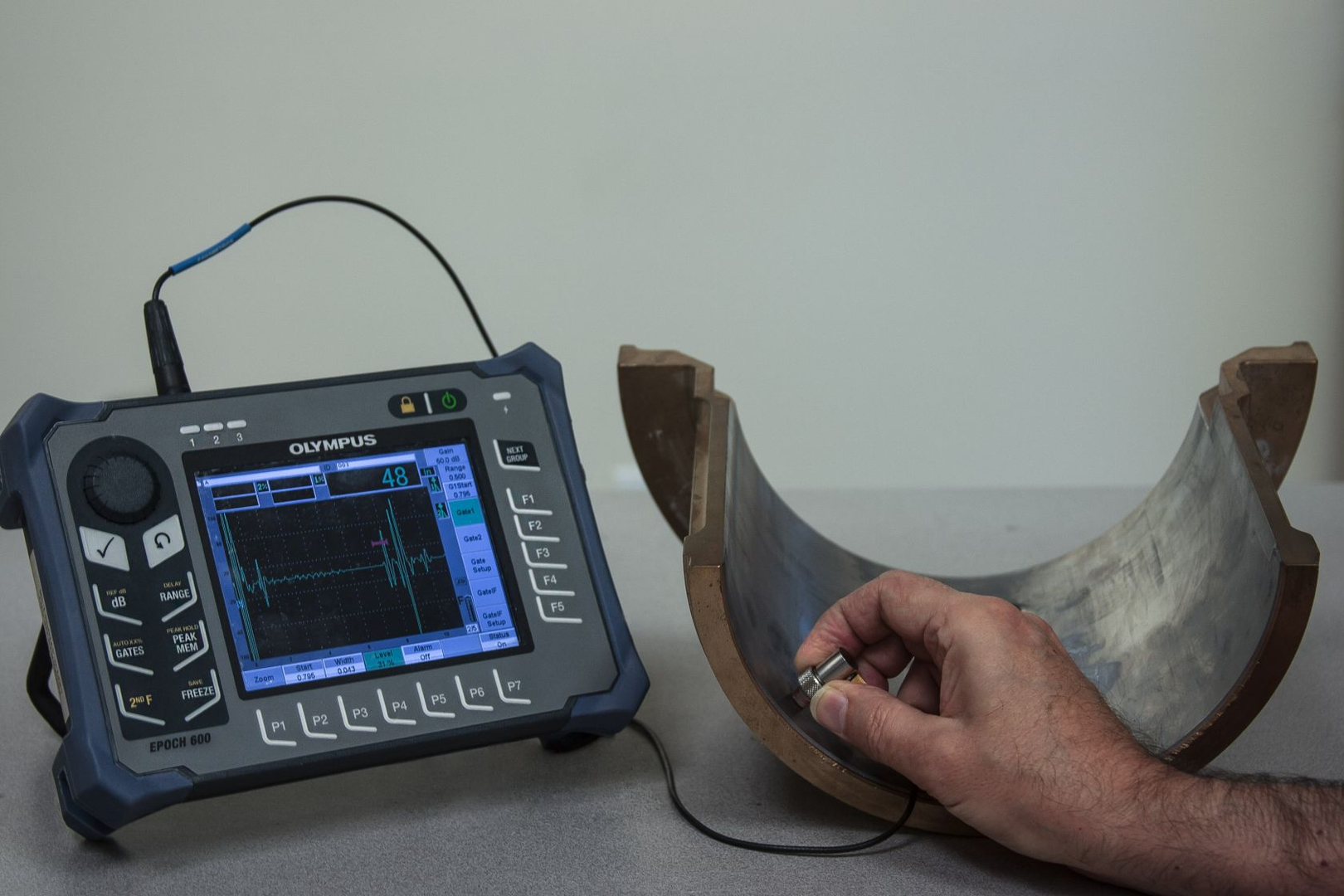
Ultrasonic waves are introduced into the metal, and the echoes of these waves are used to detect internal flaws like cracks, voids, inclusions, and thickness variations.

UT is versatile and can be used for various metals, including steel, aluminum, and titanium.

02. Magnetic Particle Testing (MT):

MT is used to detect surface and near-surface defects in ferrous metals.

Magnetic particles are applied to the surface, and the presence of defects causes the particles to align and become visible.

03. Dye Penetrant Testing (PT)

PT is used to identify surface cracks, porosity, and other defects in metals.

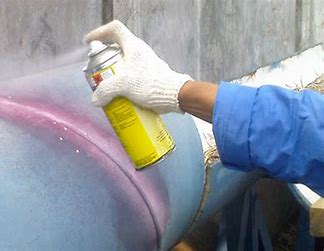
A penetrant dye is applied to the surface, and after a specified time, excess dye is removed. A
developer is then applied, which draws the dye out of any defects.